
Dental Implant Failure & Salvage – Cottonwood
Keep Your Smile Complete
Dental implants have a variety of benefits that you can’t achieve with dentures or dental bridges. One of the greatest benefits is that they have a success rate of over 95%. That being said, dental implant failure can still occur in some circumstances. If you have concerns regarding your dental implant, give us a call right away. The sooner we take a look, the more likely that we can keep your smile complete!
Why Choose White Peak Dental for Dental Implant Salvage Treatment?
- State-of-the-Art Dental Technology
- Same-Day Emergency Appointments
- We Welcome Dental Insurance
Why Do Dental Implants Fail?
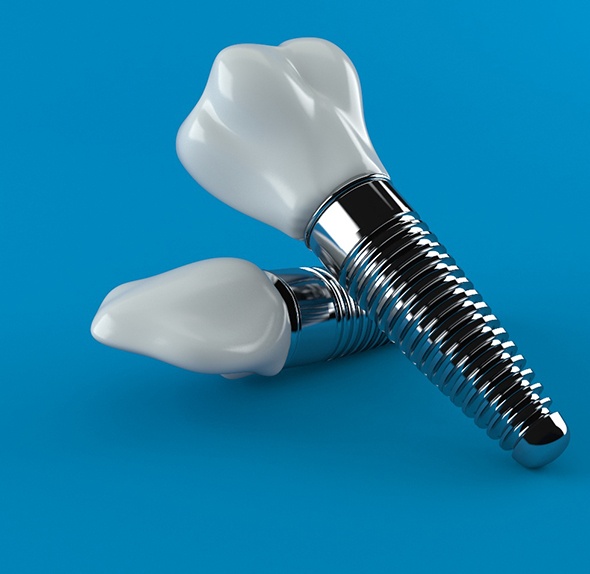
The most common reasons for dental implant failure is a condition called “peri-implantitis.” This happens when bacteria and infection destroy the connective tissue from around the implants, weakening the surrounding structure. In most cases, this is the result of poor oral hygiene and gum disease that haven’t been treated. Other factors that could contribute to dental implant failure include injury, failed osseointegration, medications, and health conditions, like uncontrolled diabetes.
Symptoms of Failed Dental Implants

Dental implant failure doesn’t just happen directly after surgery. It can also happen many years following getting dental implants. Here are some common symptoms of dental implant failure so you can be on the lookout.
- Pain & discomfort
- Gum recession surrounding the implant
- Loose dental implant
- Difficulty chewing
- Gum inflammation
How Dental Implant Salvage Works
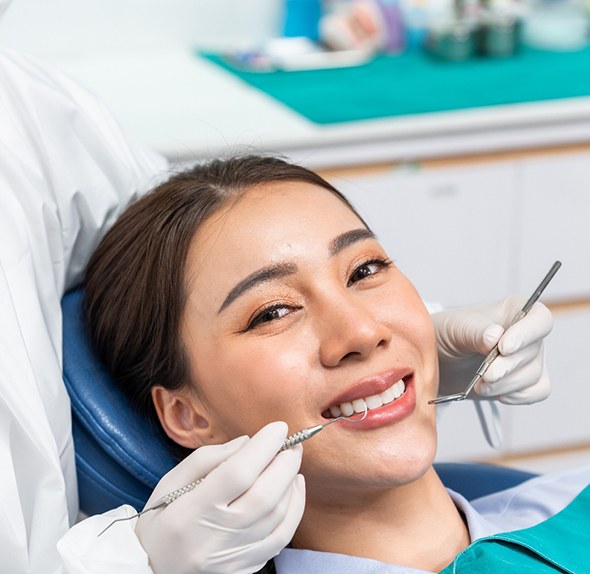
If you have concerns about your dental implant, let us know. We are happy to examine your smile and discuss the symptoms that you have been experiencing. After this, we will put together a treatment plan to restore the health of your smile. Several treatment methods could be needed. The most common ways that we address dental implant failure are deep cleanings, antibiotic treatment, and other infection control methods. The quicker that we address the problem, the more likely that we can save your replacement teeth.